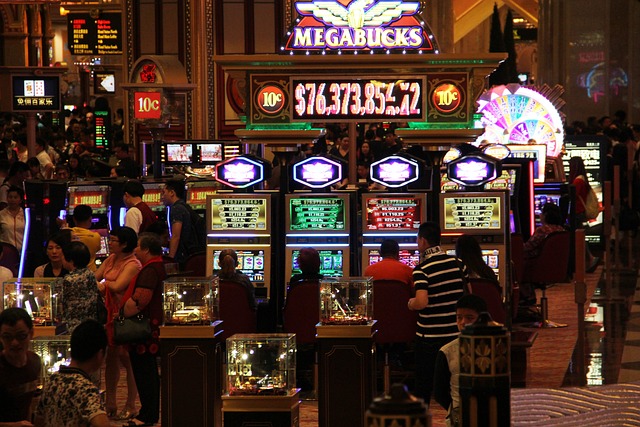
Slot machines have been a cornerstone of casinos for decades, but technological advancements are reshaping the way players experience them. Artificial intelligence (AI), virtual reality (VR), and other innovations promise to make slots more interactive, personalized, and immersive. Understanding these trends helps players anticipate how the industry is evolving and what new experiences to expect.
This post explores emerging technologies in slot machines and their practical impact on gameplay.
AI-Driven Slot Experiences
Artificial intelligence is being integrated into slot machines to enhance player engagement. AI can analyze player behavior to offer personalized game recommendations, optimize bonus features, and adjust difficulty or volatility levels based on preferences.
AI can also assist in designing smarter reward systems. By analyzing vast amounts of gameplay data, developers can balance payout frequency, bonus triggers, and user satisfaction, creating more engaging but fair experiences.
Practical Implications for Players
- Personalized gameplay and bonus recommendations
- Adaptive game difficulty and volatility to suit individual play styles
- Enhanced entertainment without compromising fairness
Virtual Reality Slots
Virtual reality brings a new level of immersion to slot machines. Players can enter 3D casino environments, interact with other avatars, and experience the feel of a physical casino from home. VR slots often include fully animated reels, interactive bonus rounds, and spatial audio to mimic real-world casinos.
This technology is particularly appealing for social and high-engagement gaming, creating a sense of presence that traditional online slots cannot match.
Table: AI vs. VR in Slots
| Technology | Core Feature | Player Benefit |
|---|---|---|
| AI | Behavior analysis & personalization | Customized gameplay and rewards |
| VR | Immersive 3D casino environments | Realistic, interactive casino experience |
Blockchain and Provably Fair Systems
Blockchain is also influencing the future of slot machines. Provably fair mechanisms allow players to verify game fairness using cryptographic proofs. Combined with decentralized platforms, players gain trust in randomness and transparency while enjoying enhanced security.
Blockchain integration may also support tokenized rewards, cross-platform loyalty programs, and faster payouts, making the slot experience more flexible and player-centric.
Social and Gamified Elements
The next generation of slots incorporates social interaction and gamification. Leaderboards, achievements, and collaborative bonus challenges encourage players to engage beyond individual spins. These elements transform slots from solitary activities into community-driven experiences.
Gamified mechanics also enhance retention, rewarding consistent play with levels, badges, and unlockable content — similar to modern video games.
Considerations and Challenges
While technology promises exciting innovations, there are practical considerations:
- Hardware requirements for VR can be expensive and limit accessibility.
- AI personalization must respect player privacy and avoid manipulative mechanics.
- Blockchain and provably fair systems require digital literacy to understand fully.
- Regulators will need to adapt rules for new forms of gameplay and wagering mechanics.
Conclusion
The future of slot machines lies at the intersection of AI, VR, blockchain, and gamification. Players can expect more personalized, immersive, and socially interactive experiences, with transparency and fairness enhanced by technology. While challenges remain, these innovations are poised to redefine how slot games are played and enjoyed in the years ahead.
