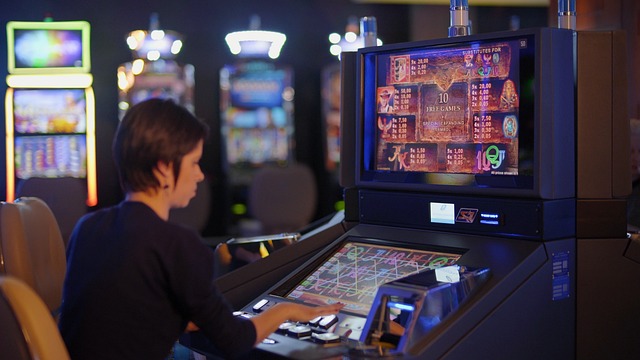
Random Number Generators (RNGs) are the backbone of modern casino games. They ensure that outcomes in slots, table games, and digital roulette are unpredictable and fair. Understanding how RNGs work helps players grasp why games are fair, why patterns don’t guarantee wins, and how casinos maintain integrity in online and electronic gaming.
This post explains the role of RNGs, their mechanics, and practical considerations for players.
What Is an RNG?
A Random Number Generator is a computer algorithm that produces sequences of numbers with no predictable pattern. In casino games, these numbers determine outcomes like slot spins, card draws, or roulette results.
RNGs ensure that each event is independent, meaning past results do not affect future outcomes. This randomness replicates the unpredictability of physical games in a digital environment.
Key Features
- Independence: Every spin, draw, or roll is separate and unaffected by previous results.
- Uniform Distribution: Outcomes have an equal probability within the defined range, ensuring fairness.
- Continuous Generation: RNGs produce numbers constantly, even when no one is playing, maintaining unpredictability.
How RNGs Work in Practice
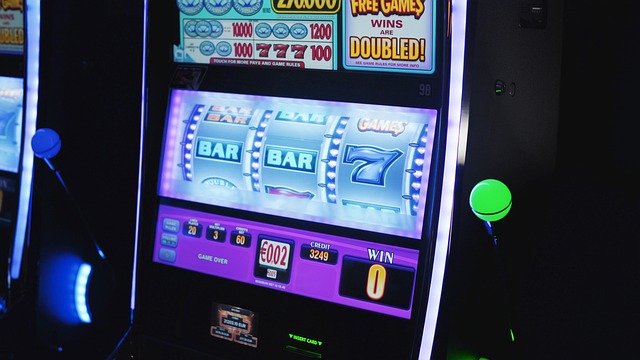
In slots, an RNG generates numbers corresponding to reel positions. When a player spins, the RNG selects a number that determines which symbols appear. Table games, like blackjack or poker, use RNGs to shuffle and deal cards digitally.
Online casinos often use pseudo-RNGs (PRNGs), which rely on deterministic algorithms seeded by unpredictable inputs such as time, mouse movements, or hardware events. While not truly random in a mathematical sense, PRNGs are sufficiently unpredictable for practical gaming purposes and are regularly audited for fairness.
Table: RNG Use Across Games
| Game Type | RNG Function | Purpose |
|---|---|---|
| Slots | Determines reel positions | Ensure fair and random spin outcomes |
| Blackjack/Poker | Shuffle and deal cards | Prevent predictability of hands |
| Roulette | Select winning number | Guarantee unbiased spins |
| Dice / Keno | Generate winning numbers | Maintain randomness and fairness |
Testing and Certification
Reputable casinos and software providers have their RNGs independently tested by third-party auditors. These tests confirm statistical fairness, uniform distributions, and compliance with industry standards. Certifications ensure that players can trust digital games similarly to physical casinos.
Player Takeaways

- Past outcomes do not influence future results; there is no “hot streak” in RNG-based games.
- RNGs are designed to replicate true randomness and are regularly audited for fairness.
- Understanding RNGs helps players approach games rationally and manage expectations.
- Responsible bankroll management remains critical, as RNG outcomes are inherently unpredictable.
Conclusion
RNGs are the foundation of modern casino games, ensuring fairness, unpredictability, and integrity. By generating random results across slots, table games, and other digital formats, RNGs provide a reliable gaming experience. Players who understand how RNGs function can make informed decisions, approach games with realistic expectations, and gamble responsibly.
